
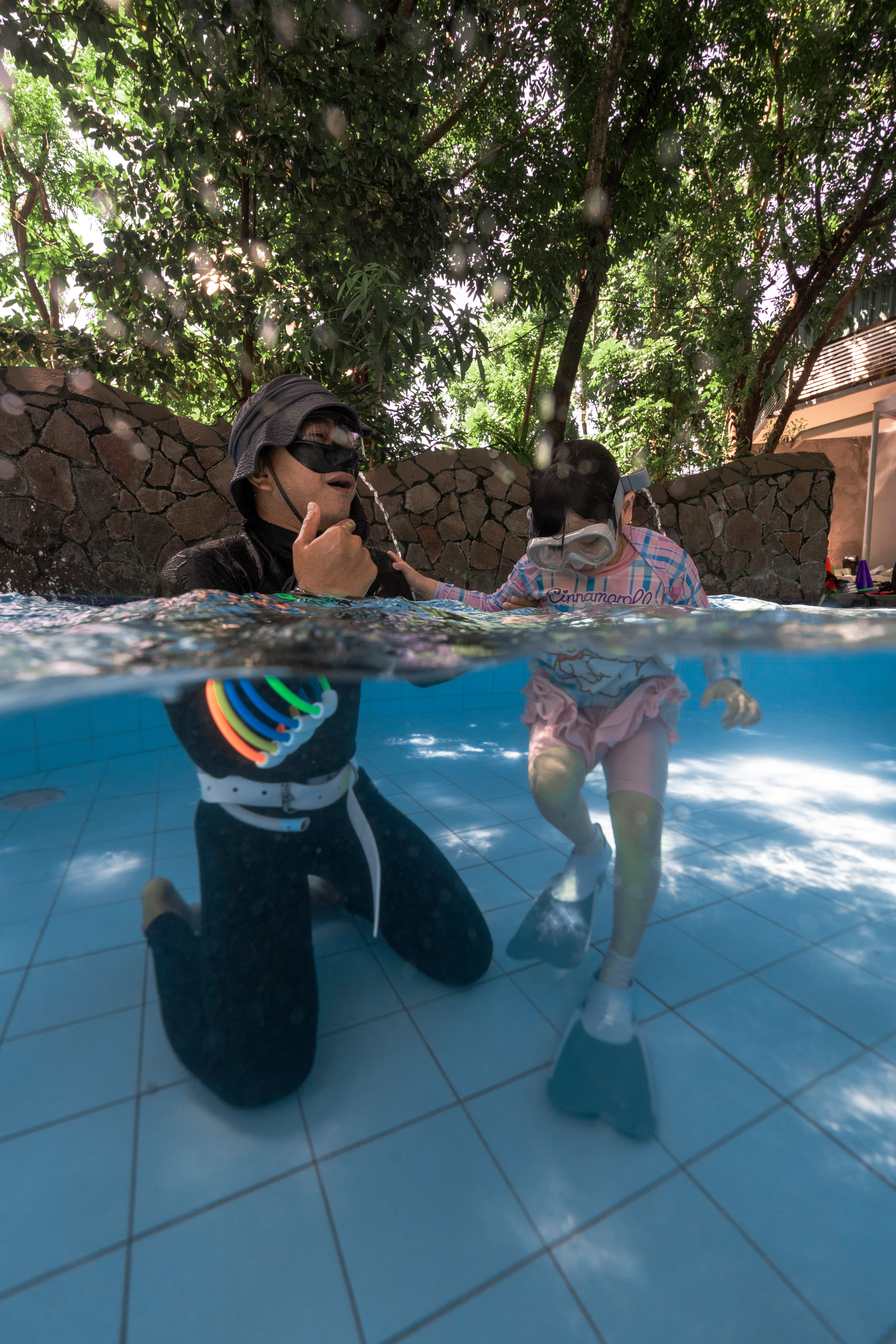

Freediving for Children: Building Water Confidence from an Early Age
Many parents hesitate when they hear "freediving" and "children" in the same sentence. That is understandable. Most people equate freediving with deep dives and long breath-holds. For children, though, freediving looks very different: closer to learning to swim in a playful way than to an extreme sport.
What Do Children Actually Learn?
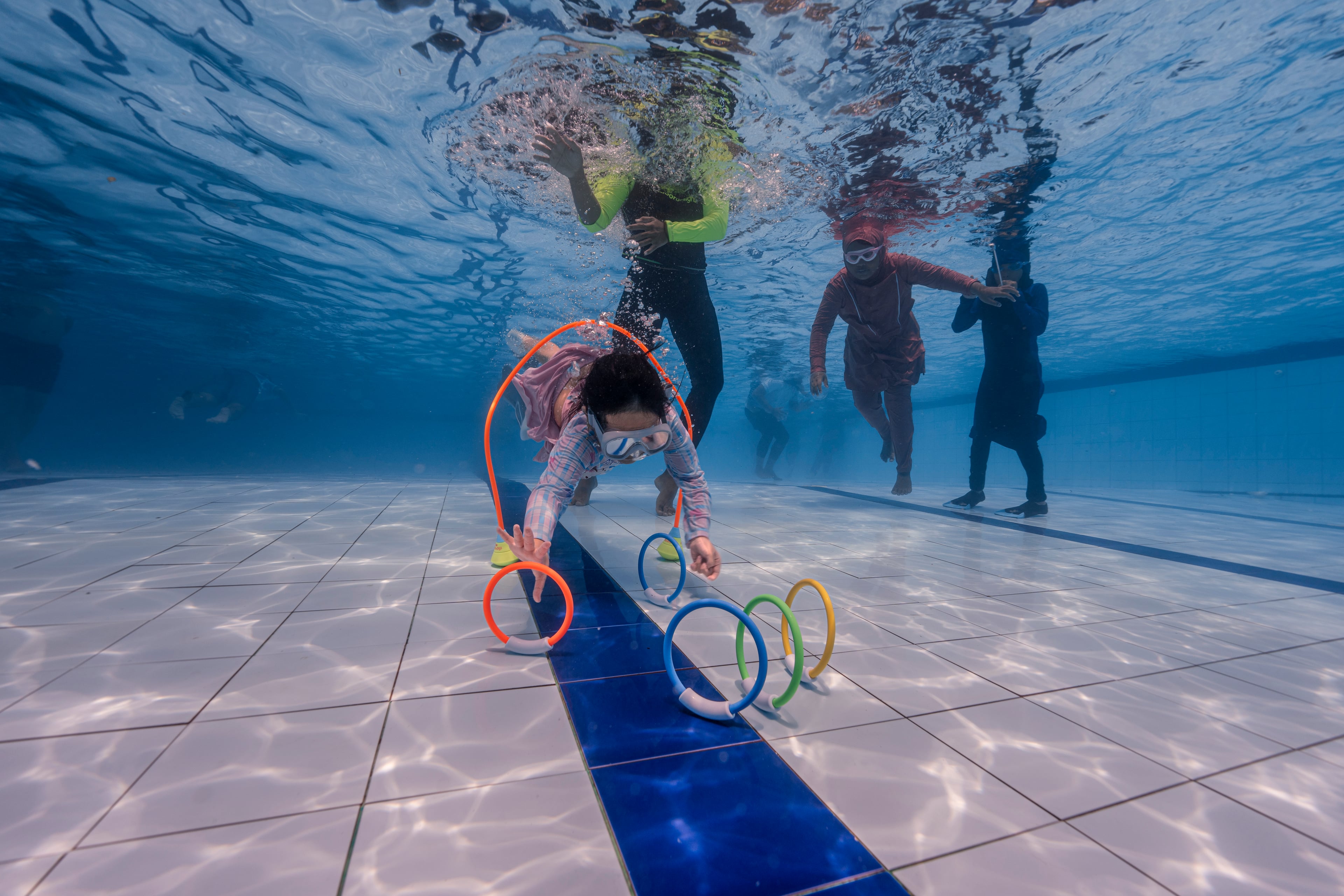
Children’s freediving programs usually cover ages 4 to 15, and the approach differs sharply by age group.
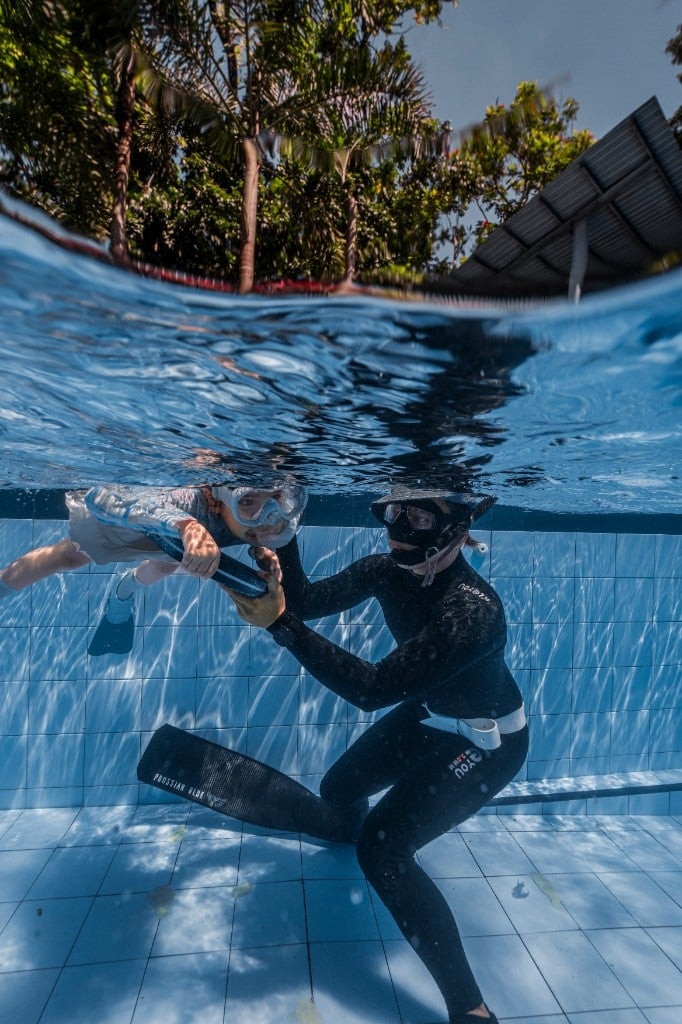
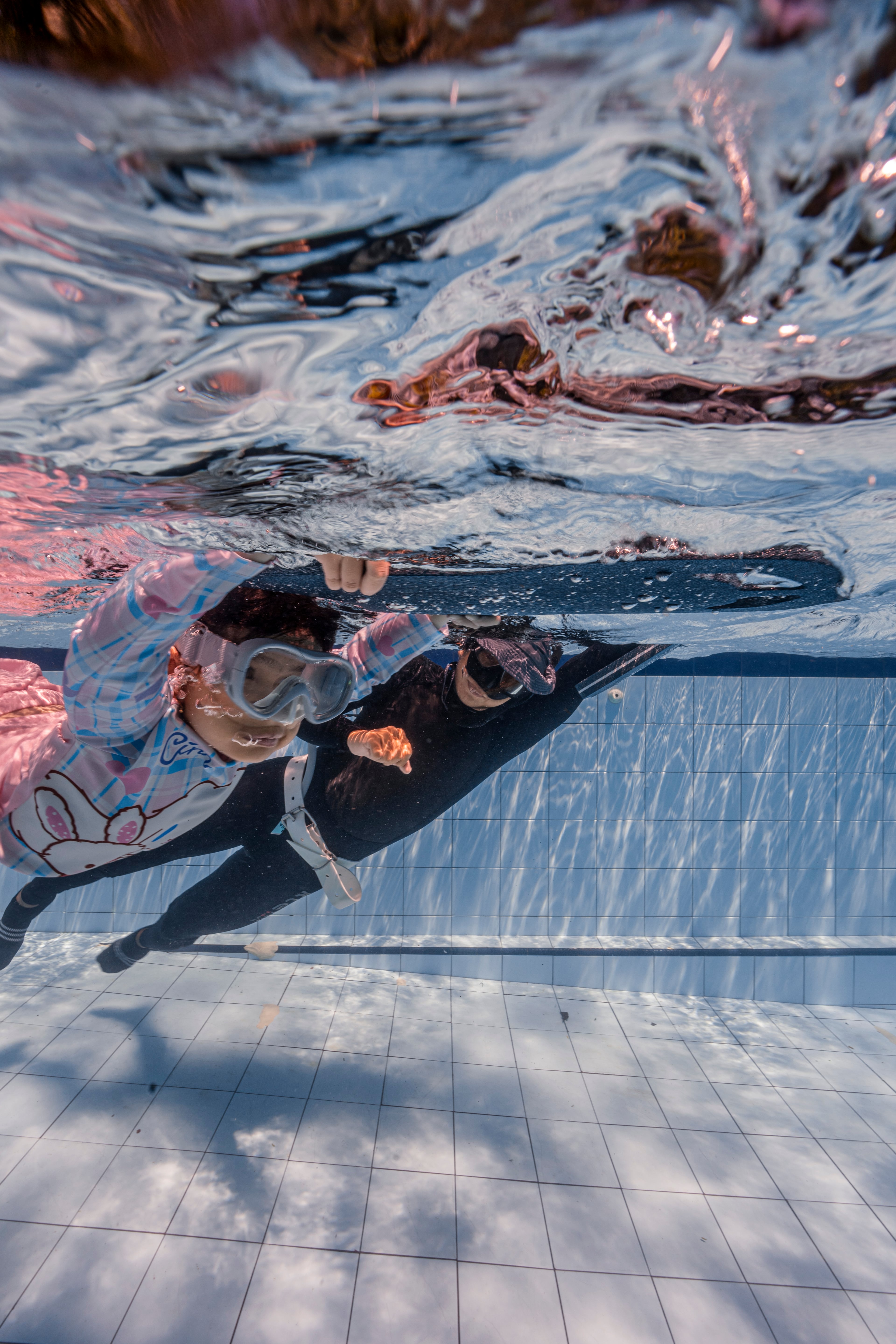
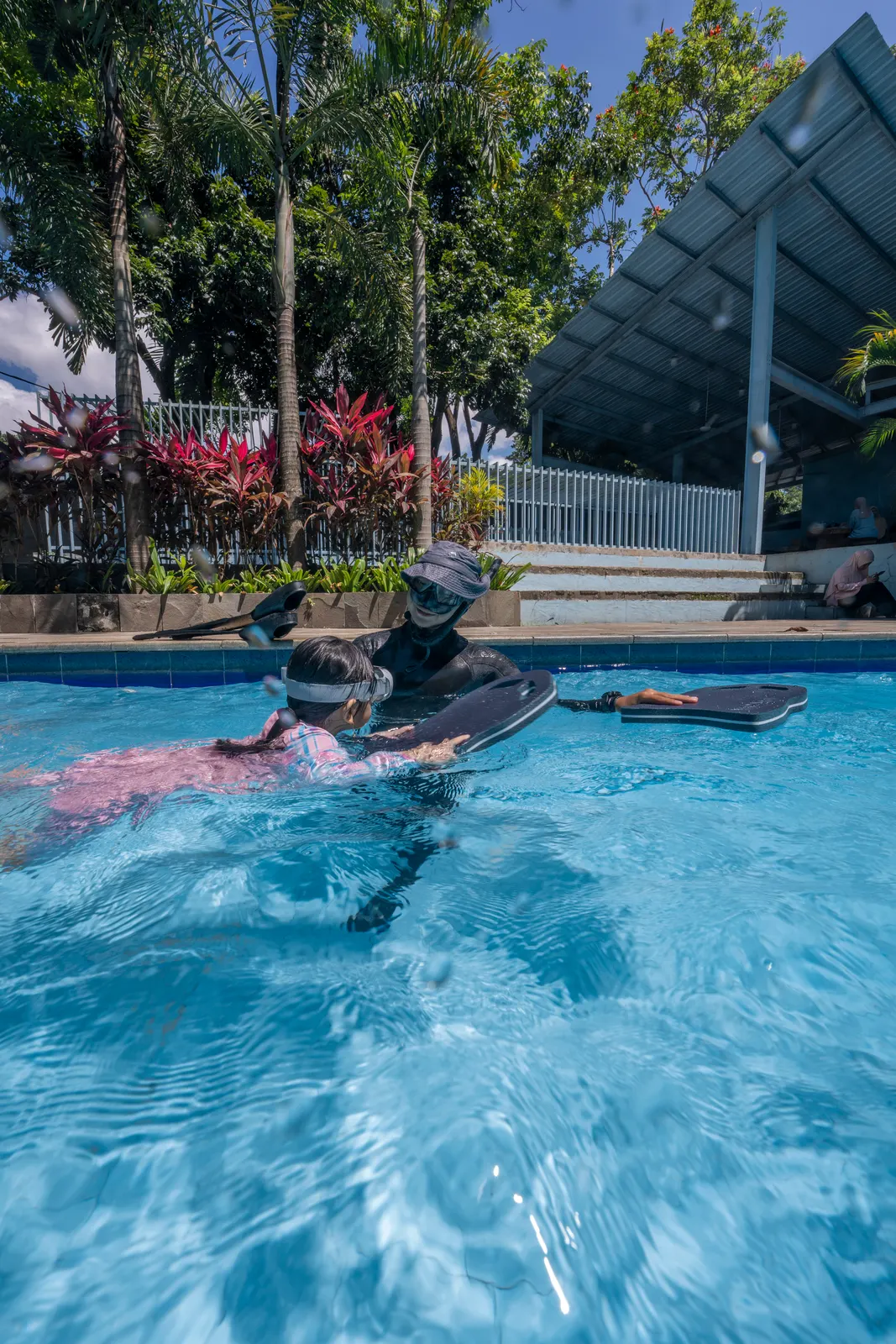
The youngest children (around ages 4–7) are not taught "breath-holding" in a technical sense. The focus is simpler: floating comfortably, feeling safe in water, and beginning basic swim movements. Everything is framed as play, not formal drills.
As children grow and gain water time, the material expands: more structured swim technique, efficient movement with and without fins, and an introduction to real freediving basics, still with durations and targets far below adult levels, always under close supervision.
Why Structured Water Activity Is Good for Children
Whatever the "freediving" label, the core of programs like this is a mix of swim education and body awareness through water: two things long known to support children’s development:
Building confidence and calm in the water
Training muscle coordination and body balance
Supporting respiratory and cardiovascular systems that are actively developing in childhood
Teaching water safety habits early, useful for life
Growing a positive connection with the sea and water environments, not fear
This approach differs from conventional swim courses because it emphasizes comfort and body awareness, not only speed or technique.
Why a Specialized Instructor Matters
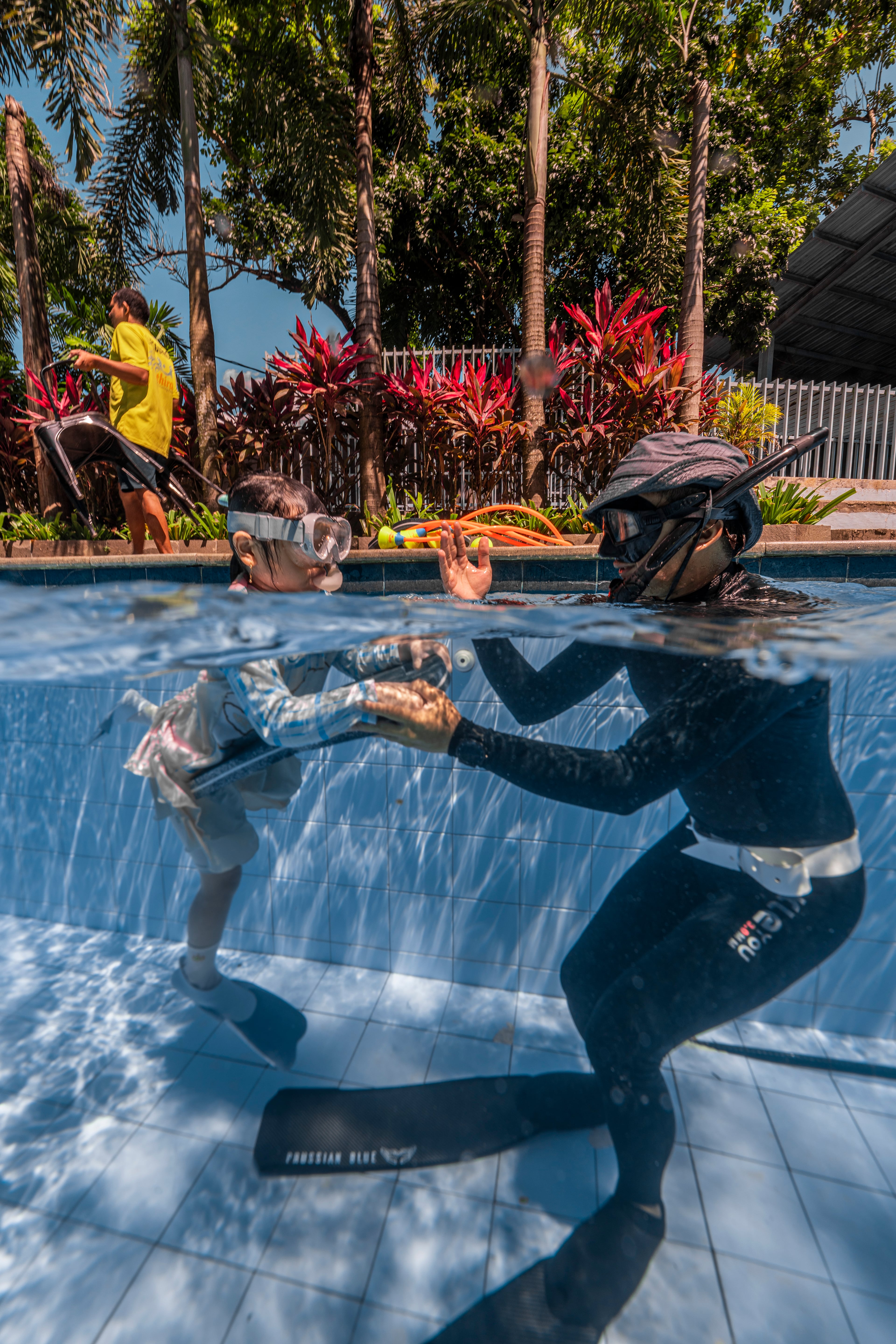
This is a point parents often overlook when looking for a class: teaching children requires a very different approach from teaching adults.
Instructors for children’s programs ideally have extra understanding of:
Physical and psychological development stages in each age group
How to build trust without forcing or frightening a child
Children’s physiological limits, which differ from adults, not just a "small version" of an adult class
How to turn technical drills into play that stays safe and purposeful
Without the right approach, the greatest risk is not only physical safety, but also creating trauma or fear of water, the opposite of the program’s purpose.
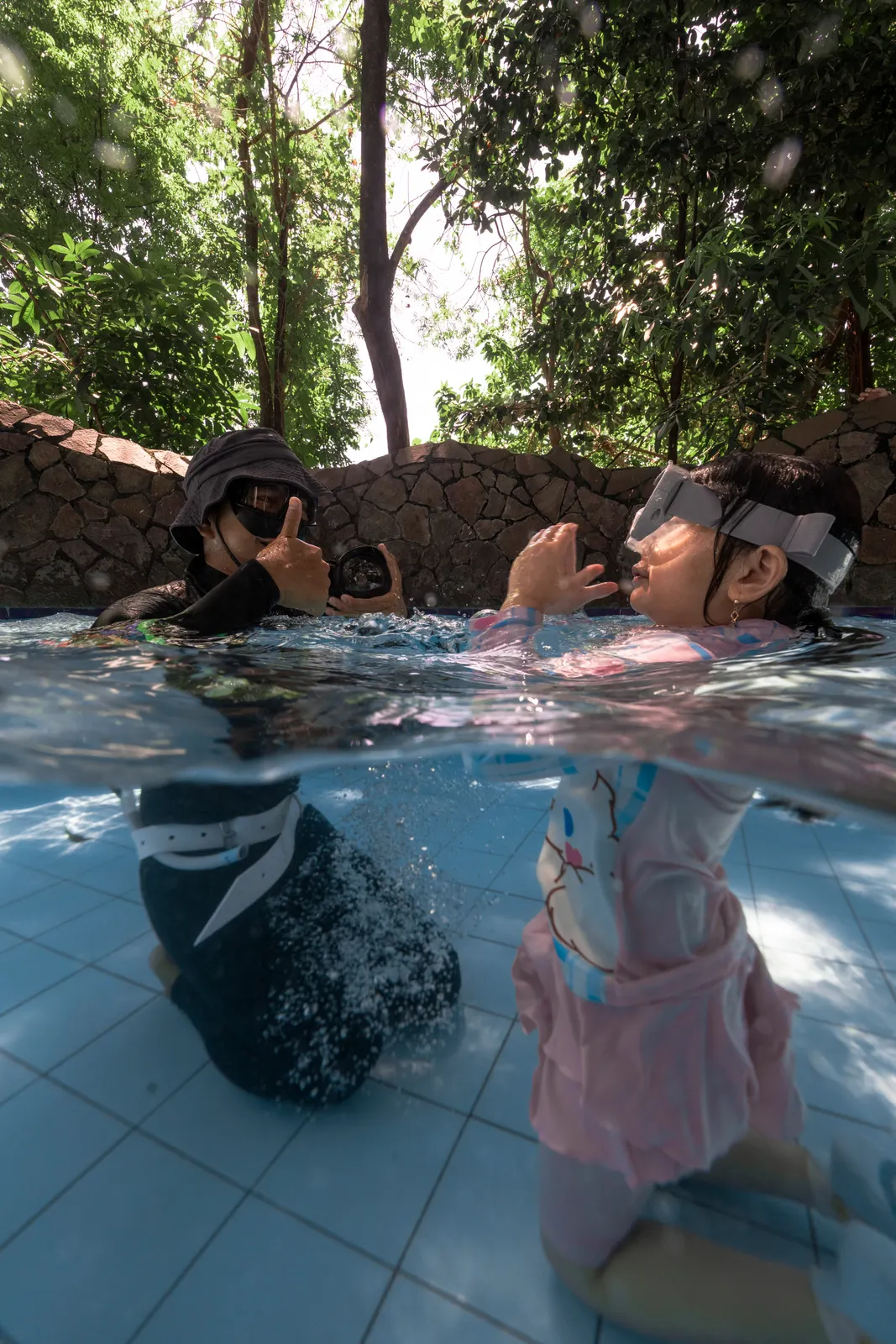
Common Age Pathways
Ages 4–7
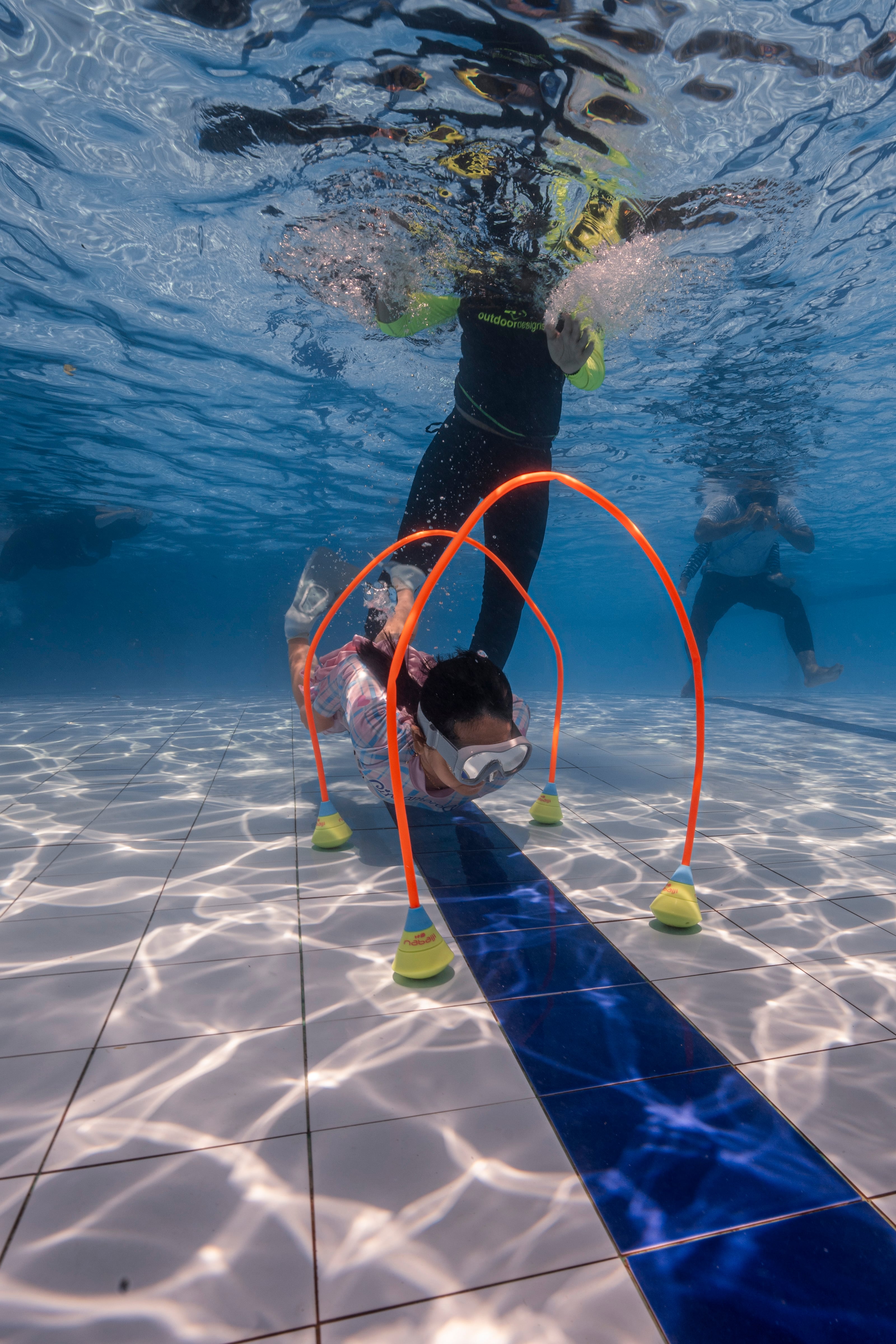
Full focus on water comfort: floating, surface swimming, and a simple introduction to duck diving. Any breath-hold practice, if present, stays very short.
Ages 8–11
Introduction to basic theory, fuller swim technique (freestyle, backstroke, breaststroke), and a first look at simple pool freediving disciplines.
Ages 12–15
Children begin deeper theory, equalization technique, and training closer to teen / beginner adult freediving structure, including open-water introduction for those ready physically and mentally, with tighter supervision.
At every stage, progress is never forced by age alone. Each child’s individual readiness is the main guide.